Children on bikes

Is your child ready to pedal? Balance bikes or wheels?

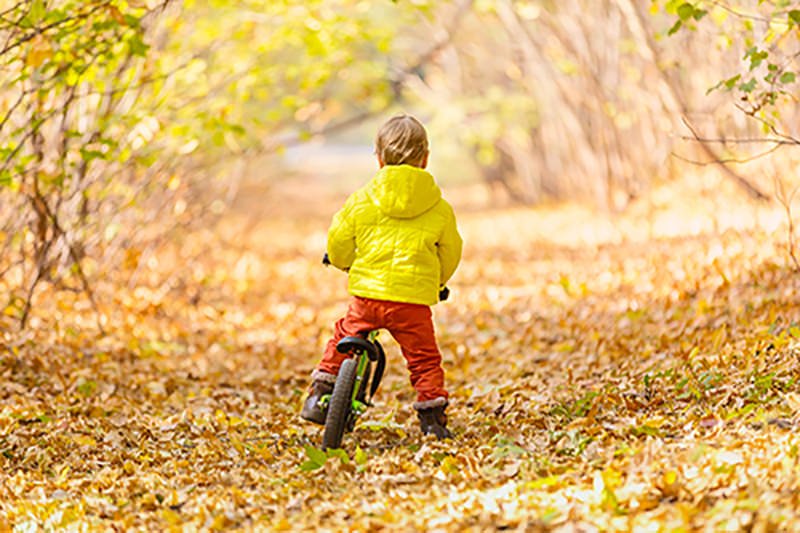
  • The former are bikes without SPD pedals, with which the child can stand and walk while holding a handlebar in his or her hands, up to the point of sitting on the saddle and pushing himself or herself with leg power.
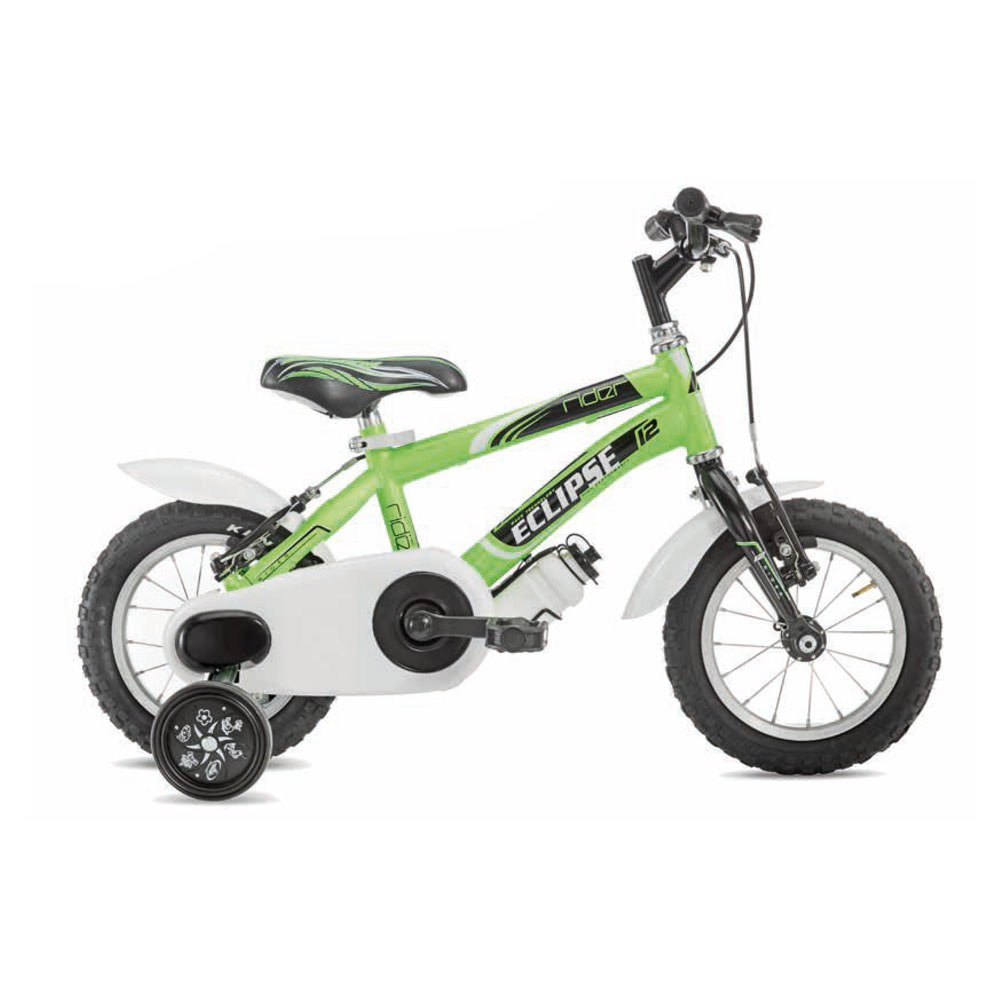
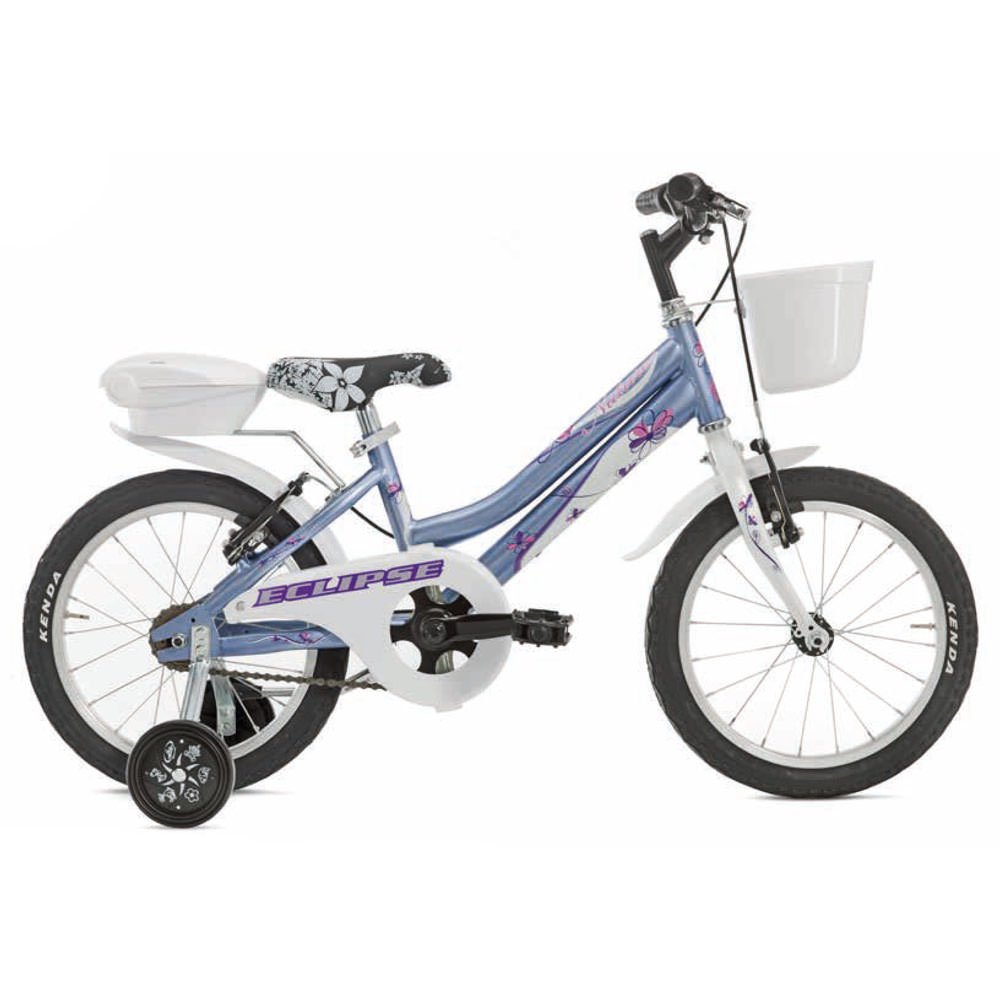
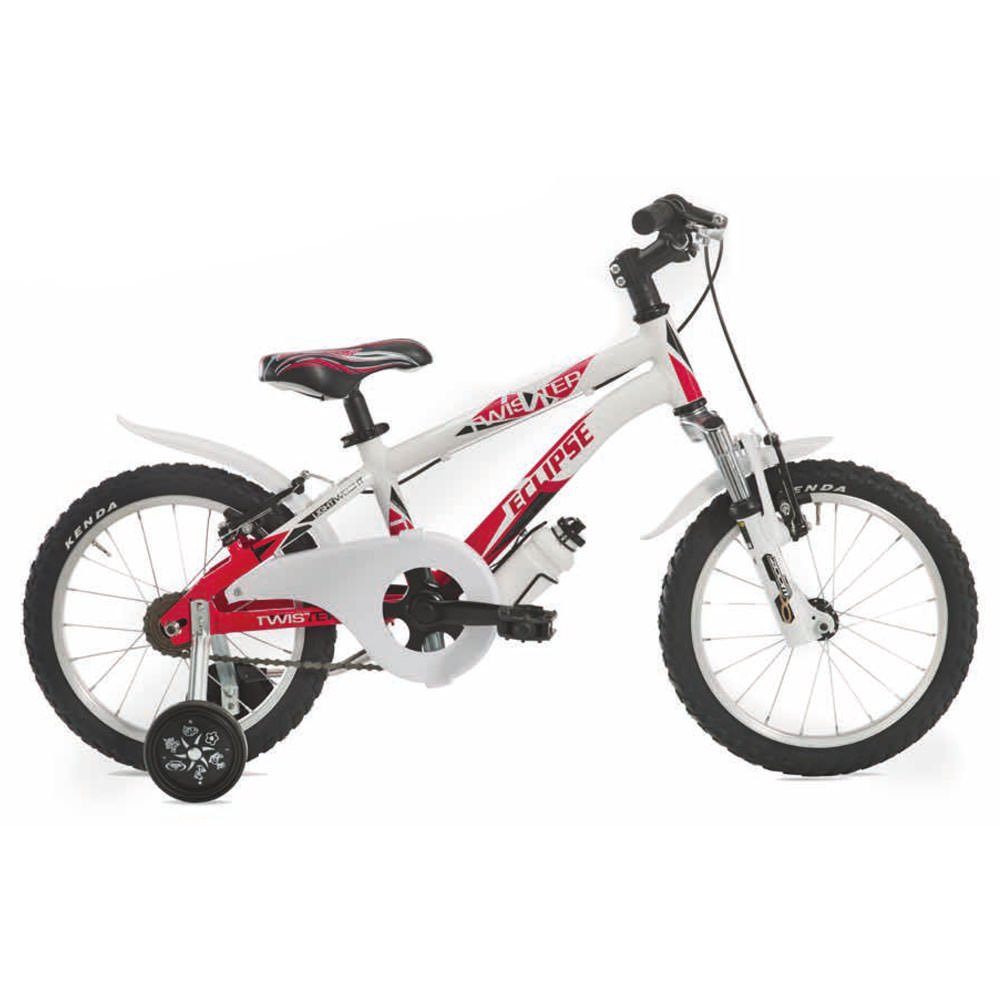
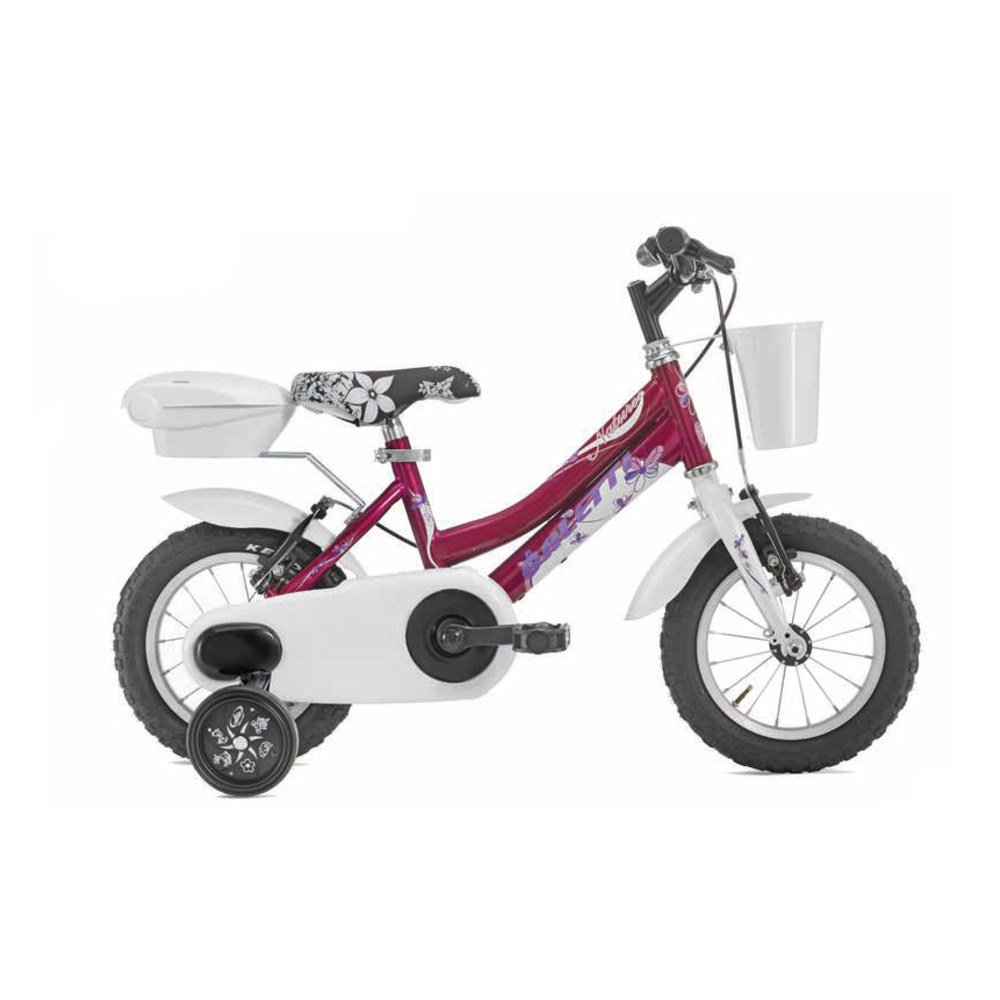
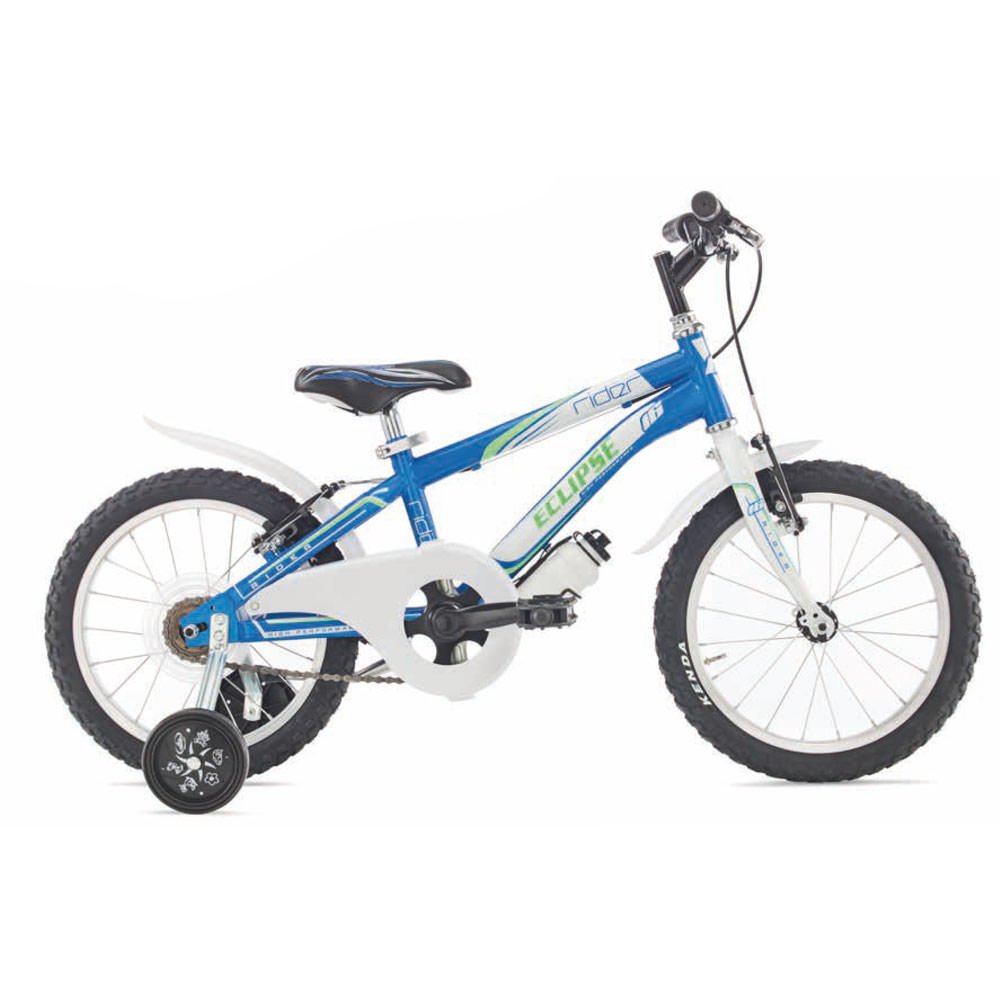
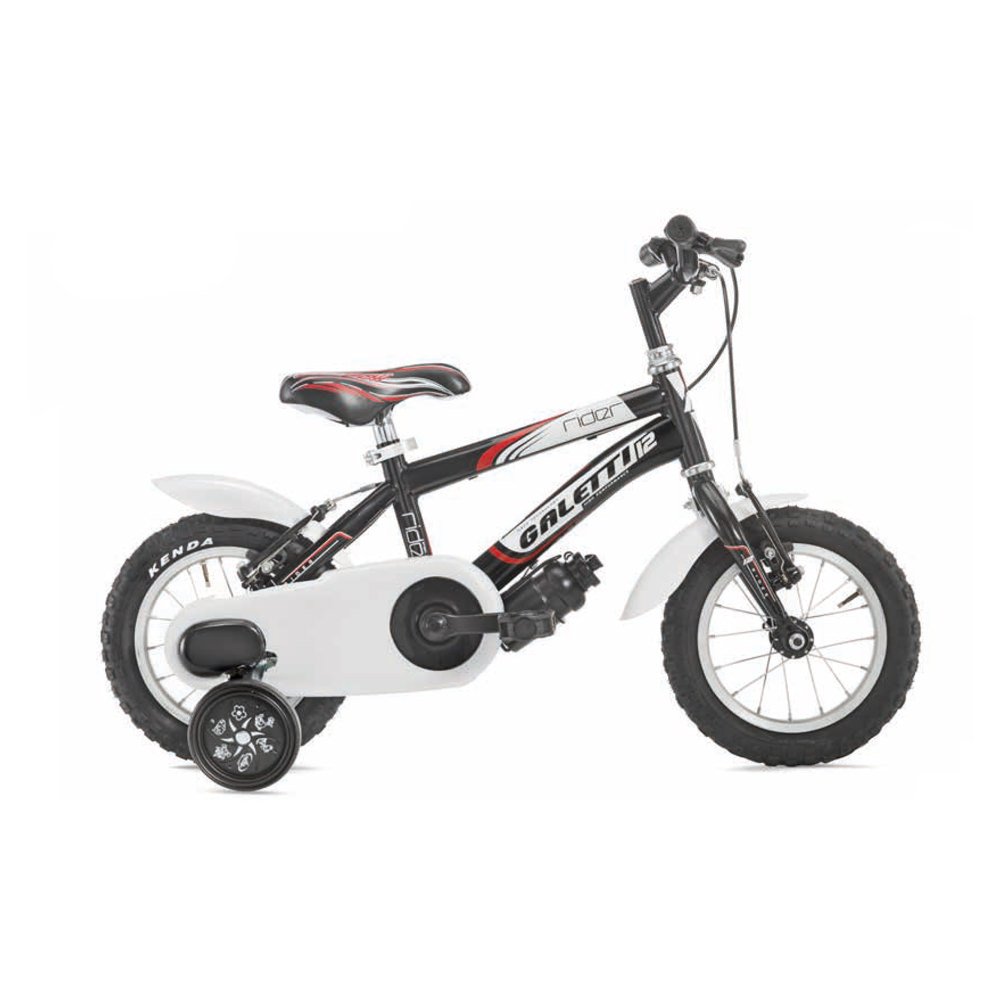
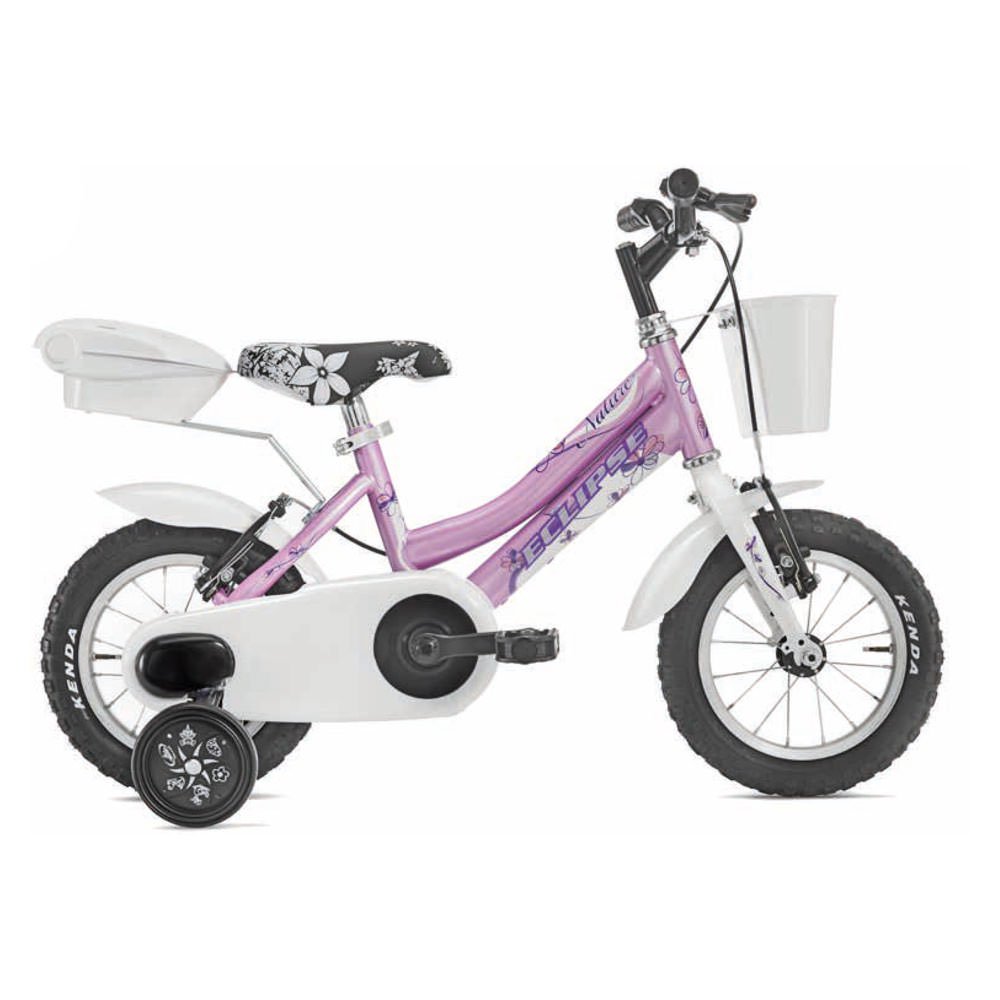
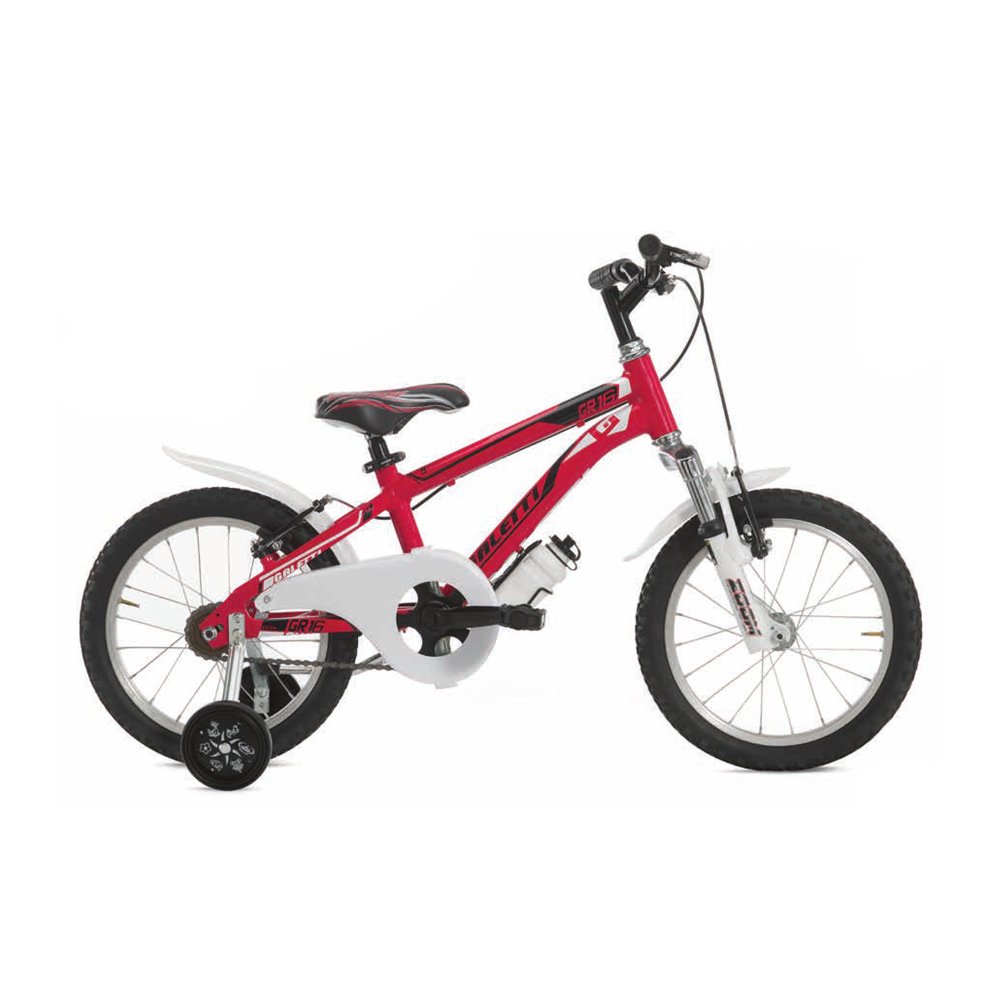
  • The second choice is castors, which are small wheels that attach laterally to the frame at the rear hub, which prevent the child from falling sideways.
Balance bike

The child is walking, has no lateral support and this means that he has to balance his posture at every step to avoid falling sideways or the bike tilting. In the beginning this situation is critical, as the child walks much more slowly with the balance bike between his legs than without it. In addition, in order to keep the bike straight, he or she must exert force with the arms and shoulders, while the legs must move dynamically.

Castors

In this case, the problem of lateral balance is eliminated, as the child is supported and therefore does not have to develop this ability. In fact, as soon as the wheels are removed, the child panics and must be supported by the parent. The engagement of the arms and shoulders is reduced and limited only to directing the handlebars.
Balance bikes are therefore the best tool to teach the child to pedal without pedalling, as they work directly on the coordination skills essential for cycling. The child pedalling with a wheeled bike is indeed pedalling but is doing so with a support that does not allow the development of skills. These capacities are reduced because information is limited by being supported.
In addition, it is good to remember that balance bikes can be used as early as infancy (2 years) and thus allow early work on these skills. A child with wheels does not get on a bike until 4-5 years of age, and this delays learning the pedalling gesture.

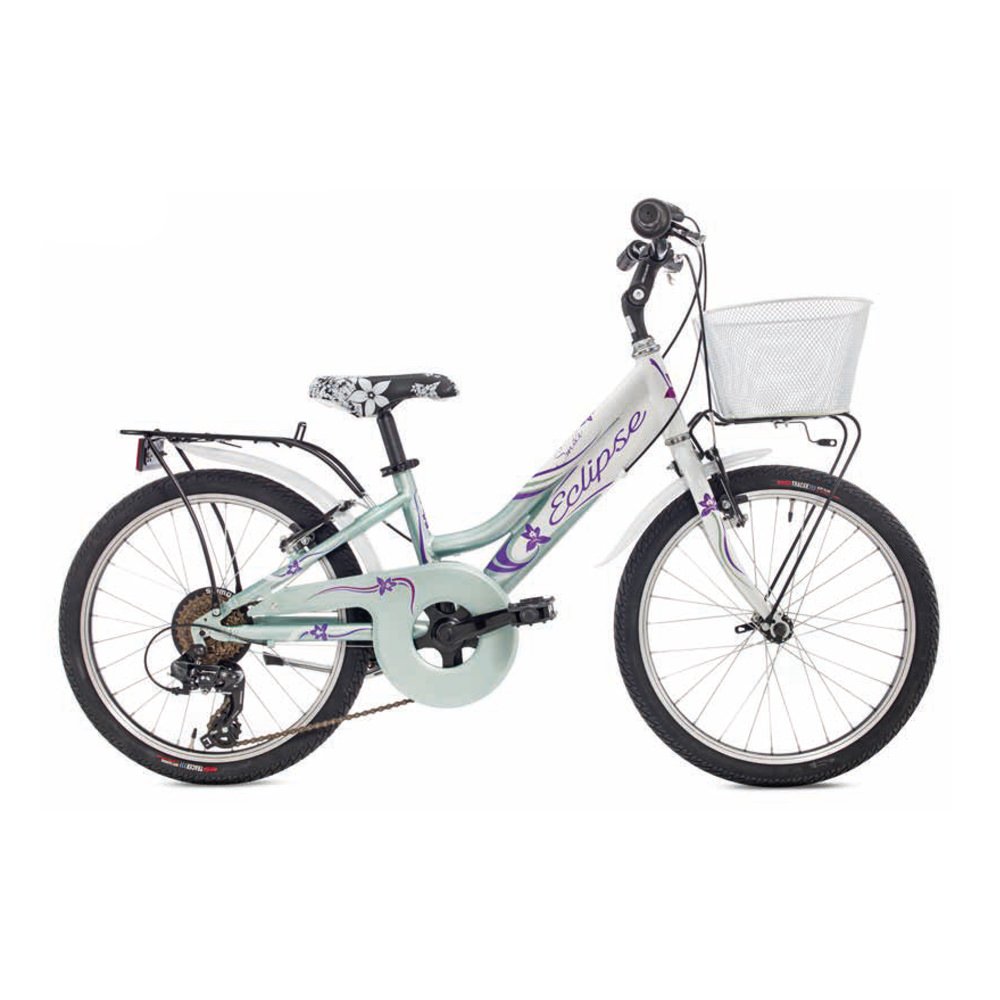
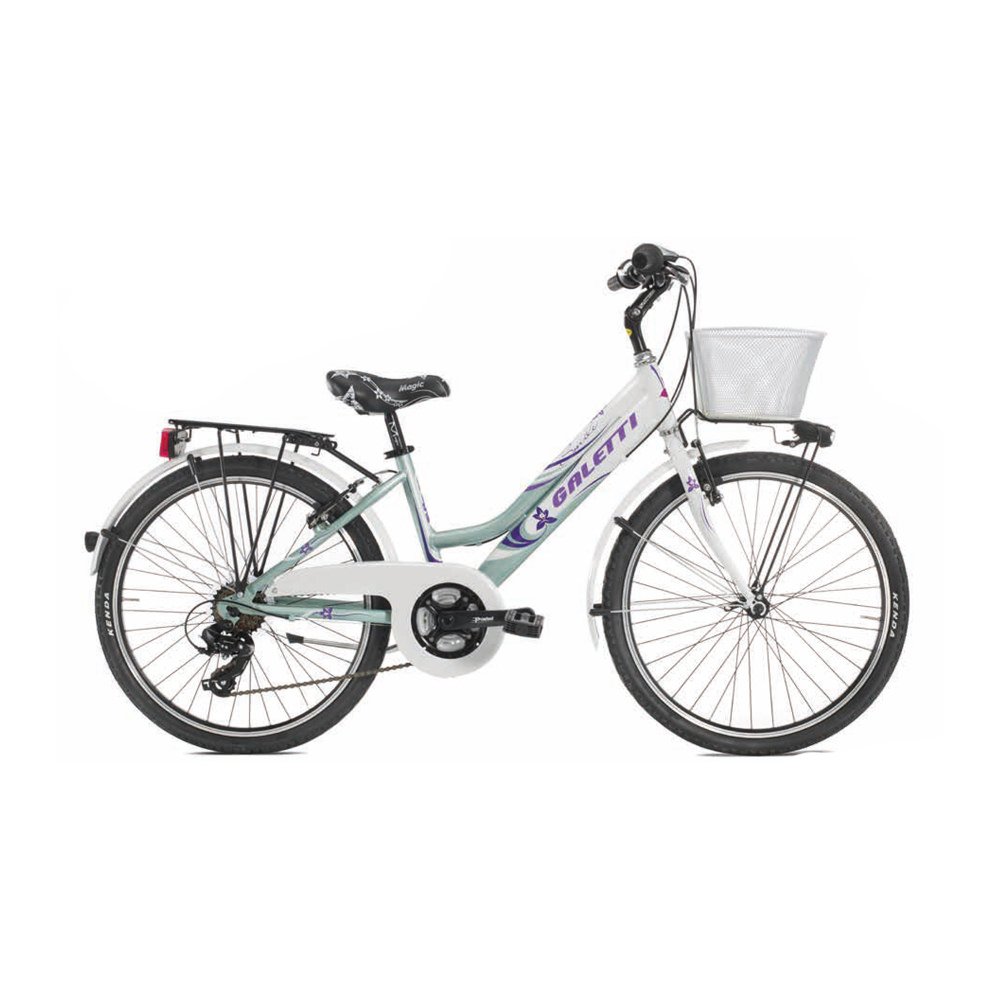
Our Bikes